
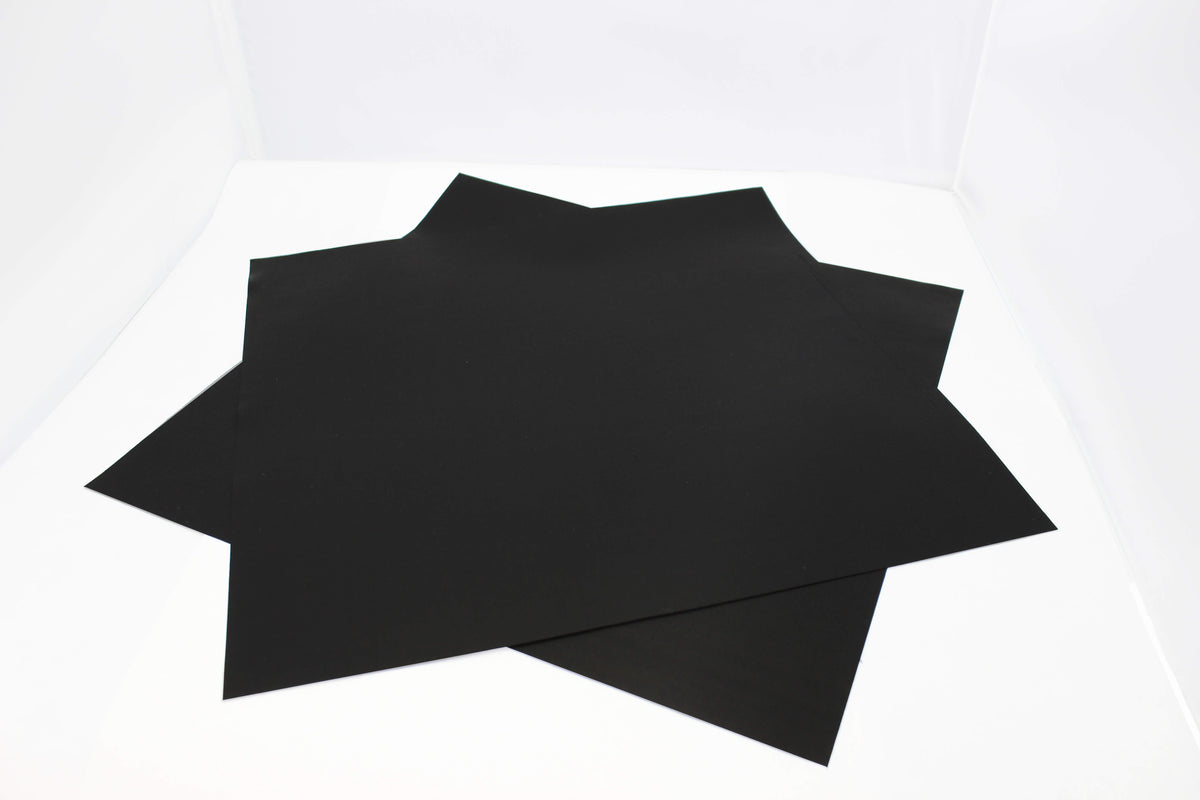
Hydro-LAT 2400 - Carbon Cloth with Hydrophilic MPL
Key specs
- GDL material
- Carbon cloth
- GDL thickness
- ~450–500 µm
- Microporous layer (MPL)
- Yes
- MPL sides
- Both sides
- MPL type
- Hydrophilic
- PTFE treated
- No
- Application
- Batteries (other), Supercapacitors, Sensors
Description
Fuel Cells Etc’s Hydro-LAT 2400 is a carbon cloth based gas diffusion layer (GDL) with a high surface area carbon-based microporous layer on each side. Hydro-LAT GDL has been engineered to have excellent hydrophilic (i.e., completely wettable) microporous layer (MPL) for applications that demand hydrophilicity or wettability for various electrochemical or chemical reactions. Thickness is ~450-500 µm.
Hydro-LAT 2400: Properties and Advantages
Certain electrochemical devices demand that either the electrolyte component wets the electrode surface or the MPL retaining the by-product water to maintain the membrane's hydration, or any other relevant needs. These applications can also benefit from a high surface area MPL that is hydrophilic or wettable. All of the current commercially available GDLs with MPL have teflonization not only of the substrate, but also of the microporous layer. Presence of PTFE in the MPL limits the use of these high surface area gas diffusion layer products for such novel applications.
Hydro-LAT 2400 gas diffusion layer is comprised of a carbon cloth base fabric and a hydrophilic MPL. In the MPL slurry, high surface area carbon black nanopowder is initially mixed with a hydrophilic binder and various other organic and aqueous solvents. The slurry is then coated on the base fabric. A second functionality of the proprietary hydrophilic binder is to facilitate the ionic conductivity through the entire MPL thickness since it is a functionalized material with excellent cation or proton conductivity. The hygroscopic nature of the binder brings an excellent wettability of the MPL section compared to any other commercial GDL products currently available. Hydrophilic MPL is coated on both sides of the substrate.
The above-mentioned features make Hydro-LAT ideally suitable for batteries containing aqueous or organic electrolytes, passive fuel cells that operate at extremely low current densities, electrochemical capacitors, supercapacitors, electrochemical sensors, and numerous other electrochemical devices.
It is not recommended to use this product in typical PEM fuel cells because the high degree of hydrophilicity will make it impossible to remove the by-product water away from the membrane/catalyst interface and will result in flooding at the cathode or anode.